
Bring the requirement.
Shape the equipment.
Develop the equipment around what your production process needs to achieve. Start with the product, the current line and the change you want to make.
Start a development brief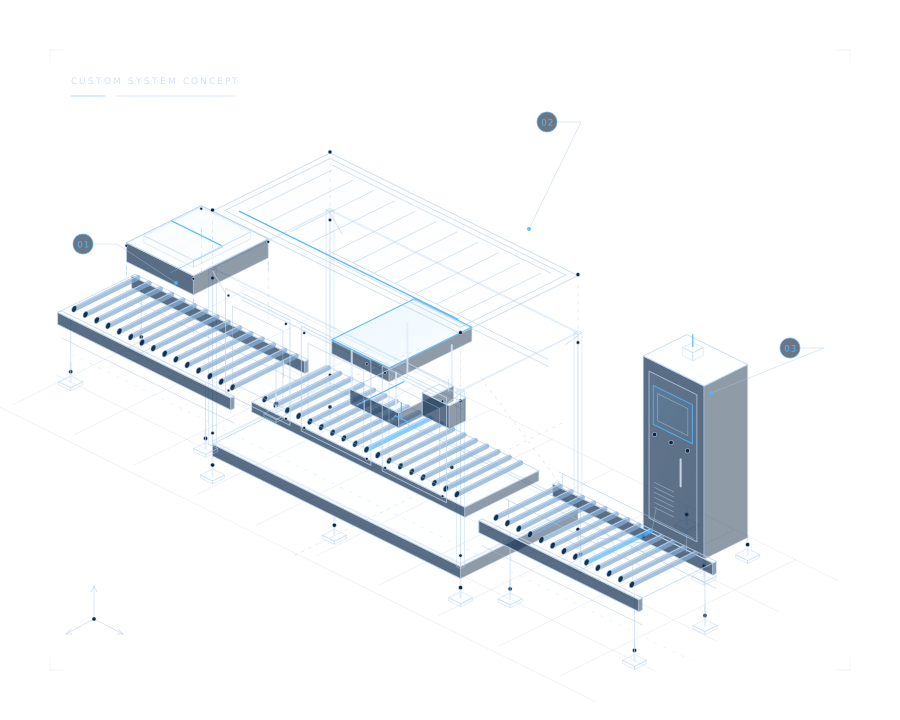 CONCEPT VISUAL / PROJECT SCOPE IS APPLICATION-SPECIFIC
Adapt the thinking.
Shape the equipment.
A range of equipment is more than a list of models. It is a starting point for discussing different products, operating sequences and connections.
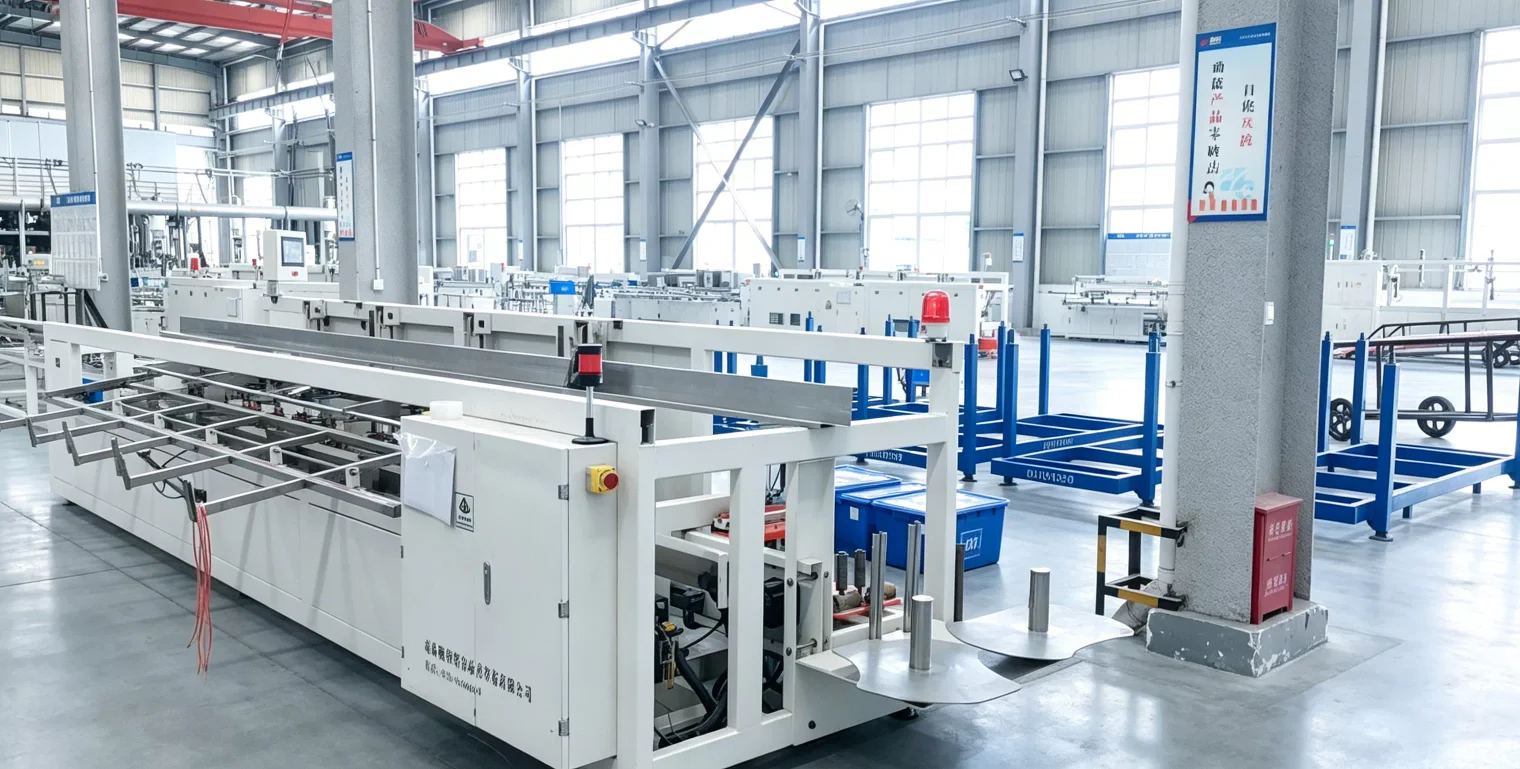 ENGINEERING IN CONTEXT / 01
Output architecture
From dual-output PPR to four-output conduit packaging, different output arrangements create different engineering questions.
Explore the application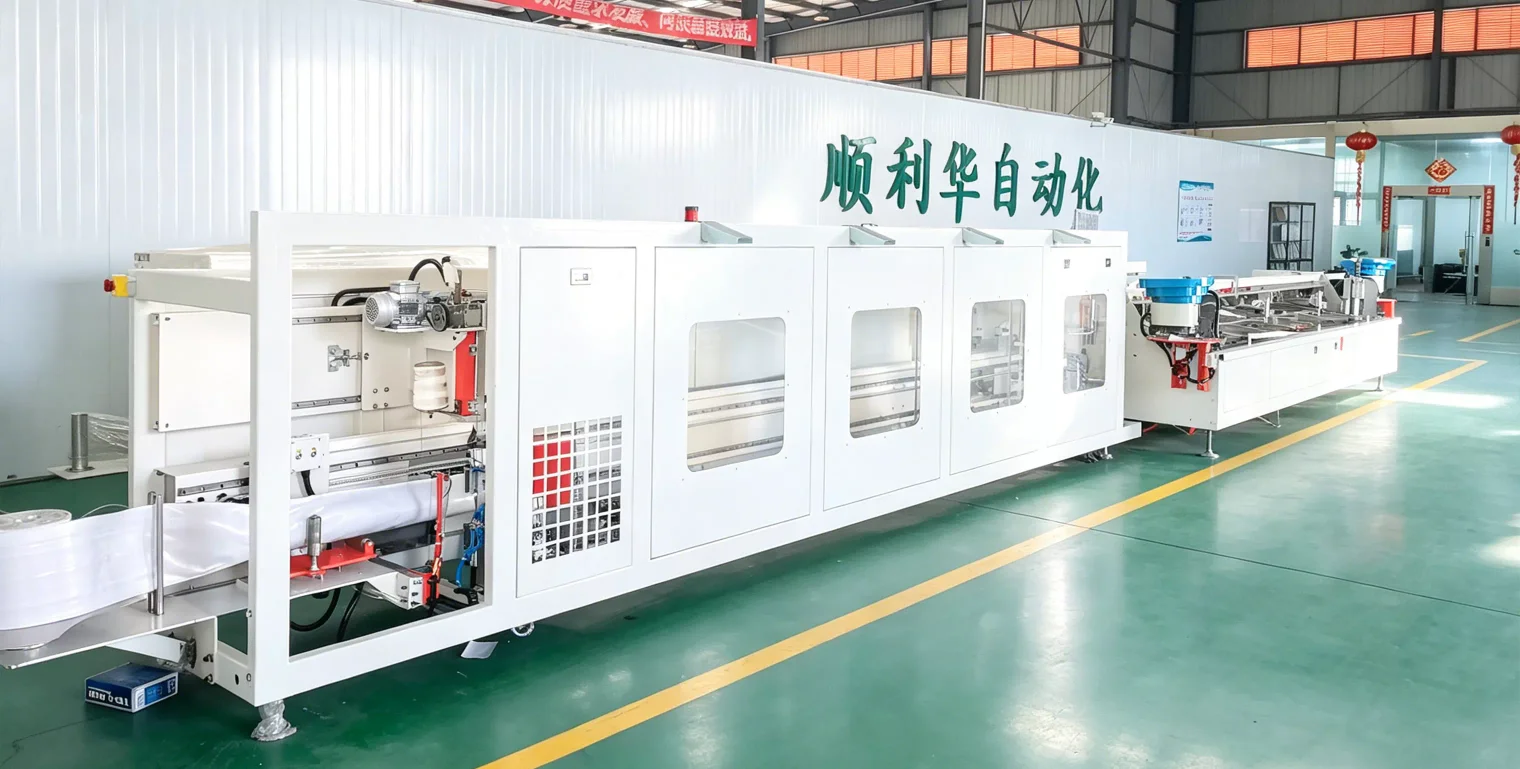 ENGINEERING IN CONTEXT / 02
Product-specific tasks
Pipe-end capping and finished-pack requirements bring product handling and packaging into the same development discussion.
Explore the application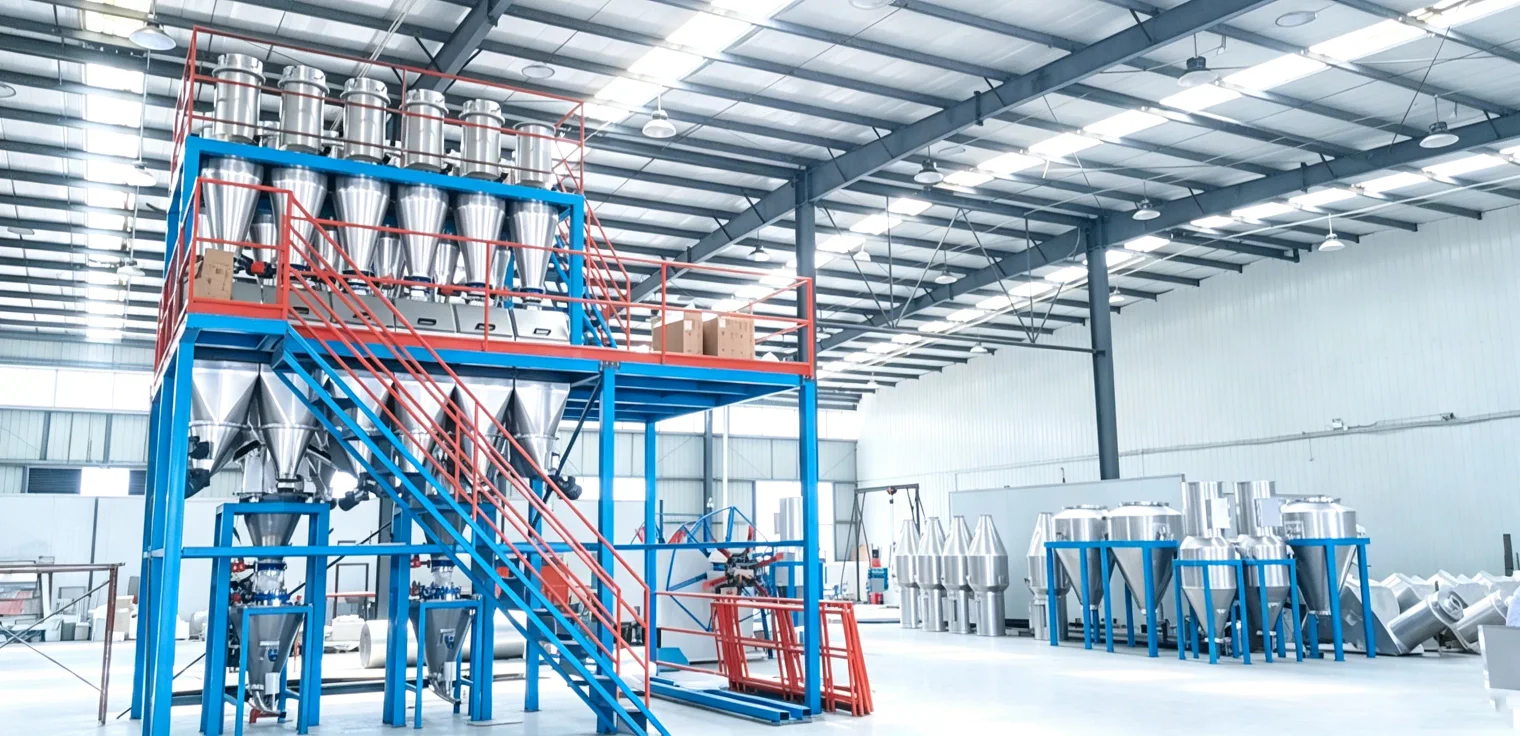 ENGINEERING IN CONTEXT / 03
Connected material flow
Bag opening, feeding and handling extend the conversation beyond the packaging machine and into the wider process.
Explore the applicationYour process knowledge.
Our engineering perspective.
A clear conversation connects a production need with an equipment concept. Explore the questions that move the project forward.
The right machine starts with the right questions.
What do you make? What happens today? What needs to change? Bring product drawings, material details and your production constraints into one shared brief.
Materials, variants and key dimensions
Current sequence and desired result
Space, utilities and existing equipment
Give the production idea a physical shape.
Discuss the operating sequence, equipment arrangement and movement between stations. Connect the concept to your available floor area and the way operators will use the line.
The work each station needs to do
Equipment footprint and operator access
Upstream and downstream interfaces
Make the interfaces as clear as the equipment.
Bring mechanical connections, control requirements and utilities into the same conversation. Record the decisions, responsibilities and open questions before confirming a configuration.
Product contact and equipment connections
Operating sequence and interface requirements
Responsibilities and acceptance conditions
Engineering that considers how it will be made.
Review the concept alongside machining, sheet-metal and tube processing, welding and assembly. Agree the documentation and review points needed to connect the scope with the build.
Components, frames and enclosures
Equipment arrangement and connections
Project-specific review and documentation
A collaborative project framework. Technical scope, deliverables and review points are agreed for each application.
Clarity at
every connection.
Use a shared set of project records to connect your requirements with the proposed equipment. Agree the detail that matters to your application.
Prepare the interface discussionRequirements brief
The product, the existing process and the change you need.
Process & layout concept
Operating steps, material transfers, space and operator access.
Interface definition
Mechanical connections, control requirements and responsibilities.
Configuration & review record
Agreed scope, open questions and acceptance conditions.
You know your process.
Let’s explore the equipment.
Bring a product drawing, a process sketch or a photograph of the current line. Identify what you know — and the engineering questions we need to define together.
Prepare my development briefSee manufacturing capabilities